
The internal combustion engine (ICE) and its application in automobiles represent one of the most significant technological advancements of modern times. Cars have played a pivotal role in societal development, fulfilling essential mobility needs in daily life. The automotive industry, along with its extensive supporting sectors, forms the backbone of many economies, employing a substantial portion of the global workforce.
However, the vast number of vehicles worldwide continues to pose serious environmental and human health challenges. Issues such as air pollution, global warming, and the rapid depletion of oil resources necessitate a compelling alternative. Electric vehicles (EVs) are increasingly seen as the future of transportation, offering a sustainable solution to these pressing concerns.
1. Air Pollution: The Hidden Costs of Combustion

Current transportation heavily relies on the combustion of hydrocarbon fuels to generate propulsion. While ideally, this process would yield only carbon dioxide and water – harmless to the environment and even essential for photosynthesis – real-world combustion in ICEs is far from perfect. Beyond CO2 and H2O, combustion also releases harmful byproducts, including nitrogen oxides (NOx), carbon monoxide (CO), and unburnt hydrocarbons (HC), all detrimental to human health.
1.1. Nitrogen Oxides (NOx)

Nitrogen oxides result from the reaction between atmospheric nitrogen and oxygen at the high temperatures and pressures within an engine. While nitrogen is typically inert, these extreme conditions facilitate the formation of NOx. Nitric oxide (NO) is the most common form, though smaller amounts of nitrogen dioxide (NO2) and trace amounts of nitrous oxide (N2O) are also present. Once released, NO reacts with oxygen to form NO2, which then combines with atmospheric water to create nitric acid (HNO3). This phenomenon, known as acid rain, is a major contributor to deforestation in industrialized nations and the deterioration of historical monuments made of marble.
1.2. Carbon Monoxide (CO)

Carbon monoxide is a product of incomplete hydrocarbon combustion due to insufficient oxygen. It’s a highly toxic gas for humans and animals. When CO enters the bloodstream, it binds to hemoglobin more readily than oxygen, significantly reducing the oxygen supply to organs. This can impair physical and mental capabilities, leading to dizziness, and in severe cases, quickly proving fatal. CO forms strong bonds with hemoglobin that the body cannot easily break down, requiring specialized hyperbaric chamber treatment.
1.3. Unburnt Hydrocarbons (HC)

Unburnt hydrocarbons are a consequence of incomplete fuel combustion. Depending on their nature, these HCs can be directly harmful to living organisms. Some are direct toxins or carcinogens, such as particulates and benzene. Furthermore, ultraviolet radiation from the sun interacts with unburnt HCs and NO in the atmosphere to form ground-level ozone and other harmful byproducts. Ozone, a molecule of three oxygen atoms, is colorless but highly dangerous. It attacks living cell membranes, leading to premature aging or cell death. Infants, the elderly, and asthmatics are particularly vulnerable to high ozone concentrations, with reported fatalities in polluted cities annually.
1.4. Other Pollutants

Impurities in fuel also contribute to pollutant emissions. Sulfur, primarily found in diesel and jet fuel, as well as in gasoline and natural gas, is a major impurity. The combustion of sulfur (or sulfur compounds like hydrogen sulfide) with oxygen releases sulfur oxides (SOx). Sulfur dioxide (SO2) is the primary product, which then forms sulfur trioxide upon exposure to air. This ultimately reacts with water to create sulfuric acid, another key component of acid rain. It’s important to note that while transportation contributes to SOx emissions, a significant portion also comes from coal combustion in power plants and steel mills.
Historically, gasoline companies added chemical compounds to improve fuel performance. Tetraethyl lead, commonly known as “lead,” was used to enhance gasoline’s octane rating and improve engine performance. However, its combustion released lead metal, a neurotoxin linked to a condition called “saturnism.” Its use is now banned in most developed countries and has been replaced by other additives.
2. Global Warming and Extreme Weather Events
Global warming is a direct consequence of the “greenhouse effect,” caused by carbon dioxide and other gases like methane. These gases trap the Sun’s infrared radiation reflected from the Earth’s surface, retaining energy within the atmosphere and increasing the planet’s temperature. Rising global temperatures lead to significant damage to ecosystems and contribute to an increase in natural disasters affecting human populations.

Among the ecological damages caused by global warming, the increasing risk of extinction for certain species is a major concern, as it destabilizes natural resources that sustain various populations. There are also worries about the migration of some species from warmer waters to previously colder northern regions, potentially displacing native species and impacting local economies dependent on them. This phenomenon has been observed in the Mediterranean Sea, where barracudas from the Red Sea have been sighted.
Natural disasters often garner more attention than ecological disasters due to their immediate and devastating impact. Global warming is believed to intensify meteorological phenomena such as “El Nino,” disrupting the South Pacific region and frequently leading to cyclones, floods, and droughts. The melting of polar ice caps, another major consequence of global warming, contributes to rising sea levels, which can inundate coastal areas and, in some cases, entire nations.

A large proportion of carbon dioxide emitted into the atmosphere by human activities is considered the primary cause of the global increase in Earth’s temperature observed in recent decades. While plants do absorb carbon dioxide through photosynthesis and oceans sequester it as carbonates, these assimilation processes are limited and cannot absorb all excess CO2, leading to its accumulation in the atmosphere.
3. Depletion of Oil Resources
The vast majority of fuel used for transportation is liquid fuel derived from petroleum. Petroleum is a fossil fuel, formed over millions of years (e.g., Ordovician Period, 600 to 400 million years ago) from the decomposition of ancient living organisms trapped in geologically stable layers. This process roughly involves: dead organisms (primarily plants) slowly decomposing and being buried by sediments. Over time, these accumulated sediments form thick layers that transform into rock. The organic matter, trapped in a closed environment, encounters high pressure and temperature, slowly converting into hydrocarbons or coal, depending on their nature. This process takes millions of years to complete, which is why fossil fuel resources are finite.

Currently, easily accessible oil, located near the surface in regions with favorable climates, is extracted first. Many believe significant oil reserves remain beneath the Earth’s crust in challenging areas like Siberia and the American and Canadian Arctic. In these regions, climate and ecological concerns pose major obstacles to oil extraction or exploration. Estimating the Earth’s total reserves remains difficult.
For both developed and developing economies, consumption demand is likely to increase at an enormous rate due to the rapid development of populations, particularly in the Asia-Pacific region. This trend persists despite declines in oil consumption in Eastern Europe and other areas.
4. The Costs Imposed by Modern Transportation
The problems associated with the rampant consumption of fossil fuels are multifaceted: pollution, global warming, and the foreseeable depletion of natural resources. While difficult to quantify precisely, the costs associated with these issues are enormous and indirect, encompassing financial, human, or both.
Costs incurred by pollution include, but are not limited to, healthcare expenses, the cost of reforesting areas devastated by acid rain, and the expense of cleaning and repairing historical monuments eroded by acid rain. Medical costs likely represent the largest portion of these expenses, especially in countries with socialized medicine or widespread health insurance coverage.
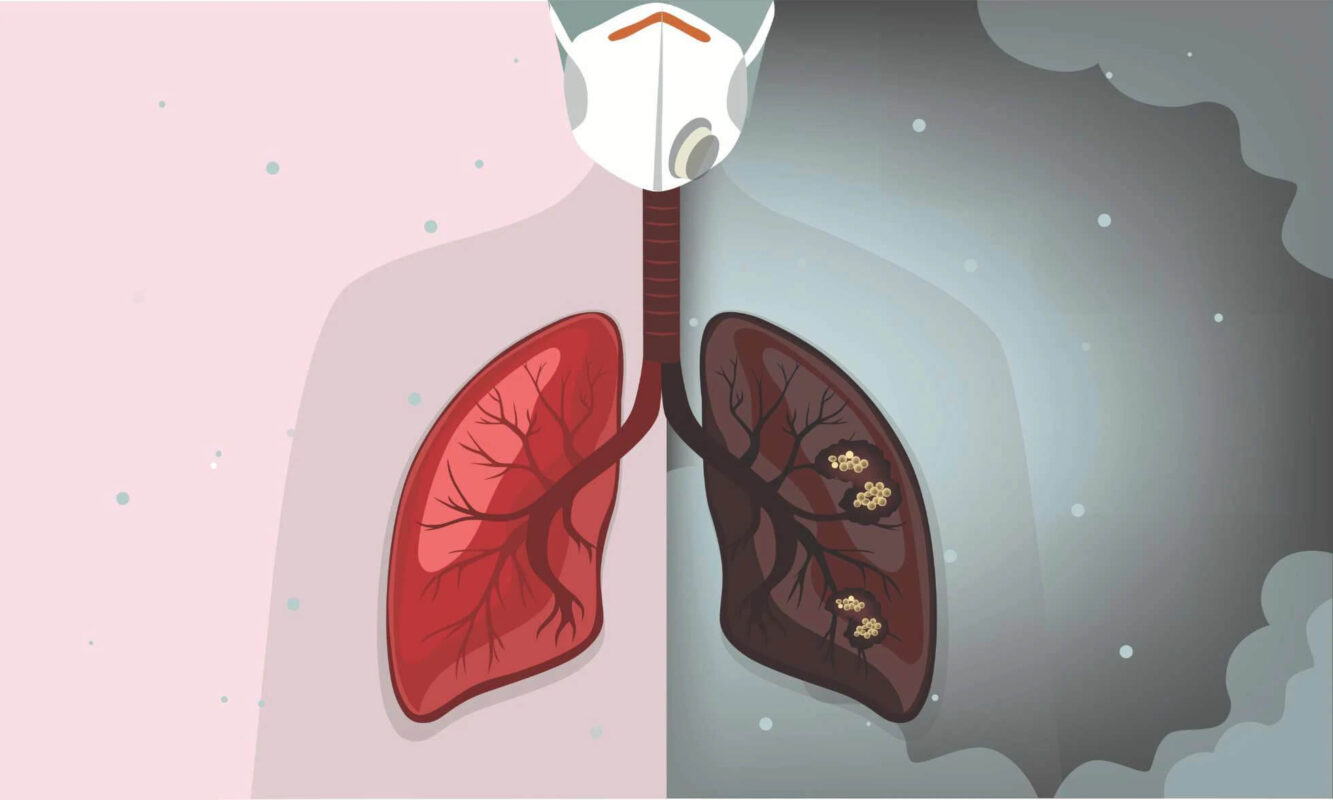
Assessing the costs related to global warming is challenging. They can include damages from storms, crop losses due to drought, property damaged by floods, and international aid to affected populations. The financial implications can be staggering.
Most of the largest oil-producing nations are not the largest consumers. The majority of production is concentrated in the Middle East, while most consumption occurs in Europe, North America, and Asia-Pacific. Consequently, consumer nations must import oil and are dependent on producing countries. This issue is particularly sensitive in the Middle East, where political instability affects oil supply to Western nations. Examples include the Gulf Wars, the Iran-Iraq War, and the continuous oversight by US and allied forces, all incurring significant human and financial costs. The reliance of Western economies on fluctuating oil prices is substantial.

Indeed, oil supply shortages can lead to severe consequences: slowed economic growth, spoilage of perishable goods, loss of business opportunities, and ultimately, difficulties in operating businesses.
In seeking solutions to problems associated with oil consumption, these incurred costs must be considered. This is difficult because the cost is not necessarily borne where it is generated. Solutions to these problems must be economically sustainable and commercially viable without government subsidies to maintain themselves long-term.
5. The Importance of Diversifying Transportation Methods
The number of years Earth’s oil resources can sustain our supply is entirely dependent on the discovery of new oil reserves and the capacity for natural oil production (as well as cumulative oil consumption). Historical data indicates that new oil reserve discoveries are slowing. On the other hand, consumption shows a high growth rate.
Discovering new oil reserves is becoming increasingly difficult beneath the Earth’s surface, and the cost of extracting new oil fields is steadily rising. It is believed that the oil supply scenario will not change significantly unless consumption rates can be drastically reduced.

The transportation sector is the primary user of petroleum, consuming 49% of the world’s oil in 1997. Consumption patterns in developed and developing industrial countries differ considerably.
However, in the heating and power generation segments of industrialized nations, non-petroleum energy sources were able to compete with and curb oil consumption throughout the 1980s, and by the 1990s, oil consumption elsewhere was less than in the transportation sector.
To date, the most promising technologies are hybrid electric vehicles (HEVs). Hybrid vehicles, which use a conventional ICE as the primary power source and a battery/electric motor as a peak power source, offer significantly higher operating efficiency than an ICE alone. The hardware and software for this technology are almost ready for industrial production. On the other hand, vehicles using fuel cells have the potential to be even more efficient and cleaner than hybrid vehicles.
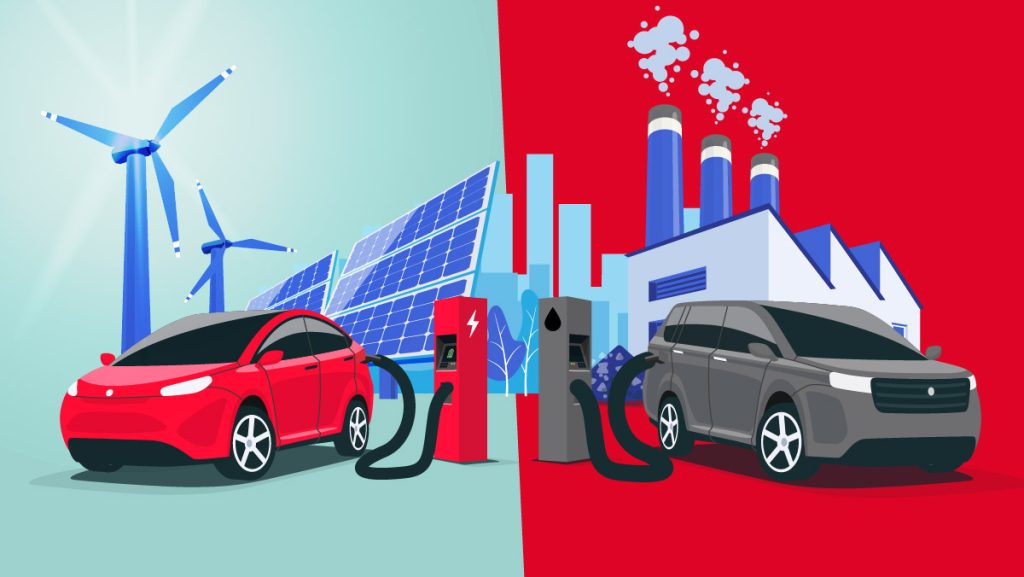
Therefore, the best development strategy for next-generation transportation involves immediate commercialization of hybrid electric vehicles while simultaneously striving to commercialize fuel cell vehicles as soon as possible.
6. The History of Electric Vehicles
The first electric car was built by the Frenchman Gustave Trouvé in 1881. It was a three-wheeled vehicle powered by a 0.1 horsepower DC motor running on lead-acid batteries. The entire vehicle and its driver weighed approximately 160 kg. This rudimentary vehicle, along with a similar one built in 1883 by two British professors, initially garnered little public attention as the technology wasn’t competitive with horse-drawn carriages. A top speed of 15 km/h and a range of 16 km held little appeal for potential customers.
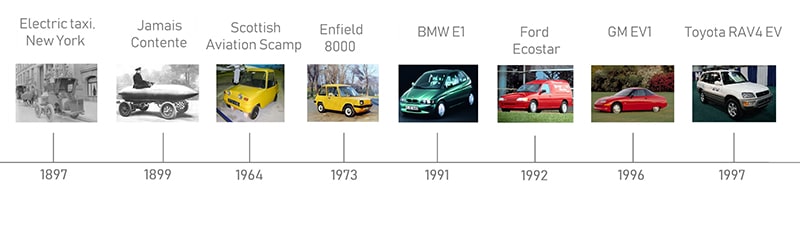
However, the 1894 Paris-Rouen race changed perceptions: a 1135 km run completed in 48 hours and 53 minutes at an average speed of 23.3 km/h. This speed significantly outpaced horse-drawn carriages, sparking public interest in these new vehicles. This was especially true in the United States, where paved roads were scarce outside a few cities, making the limited range of electric cars less of an issue. In Europe, however, the rapidly increasing number of paved roads favored the extended range offered by gasoline-powered cars. The first commercial electric car was the “Electroboat” by Morris and Salom.
The most significant technical advancement of that era was the invention of regenerative braking by the Frenchman M.A. Darracq in his 1897 coupe. This method allowed for the recovery of the vehicle’s kinetic energy during braking and recharging of the batteries, significantly improving driving range. It stands as a monumental contribution to EV and HEV technology, as it contributes to energy savings more than anything else in urban driving.
Among the most important electric vehicles of that era was the first car to ever exceed 100 km/h: “La Jamais Contente,” built by the Belgian Camille Jenatzy. Notably, both Studebaker and Oldsmobile initially started their businesses by manufacturing electric vehicles.

However, as gasoline cars became more powerful, versatile, and easier to operate, electric vehicles began to fade. High costs were a contributing factor, but their limited driving range and performance were the true reasons for their decline compared to gasoline cars.
In 1945, three researchers at Bell Laboratories invented a device that would revolutionize the world of electronics and electricity: the transistor. It quickly replaced vacuum tubes for signal electronics, and soon after, the thyristor was invented, enabling high-current switching at high voltages. This made it possible to regulate the power supplied to electric motors without inefficient rheostats and allowed AC motors to run at any frequency. In 1966, General Motors (GM) built the Electrovan, which operated on induction motors supplied by inverters constructed with thyristors.
The most significant electric vehicle of that era was the Lunar Roving Vehicle, used by Apollo astronauts on the Moon. This vehicle, weighing 209 kg, could carry a load of 490 kg and had an operating range of approximately 65 km. In the 1960s and 1970s, environmental concerns spurred some research into electric vehicles. However, despite advancements in batteries, technology, and power electronics, their range and performance remained major obstacles.
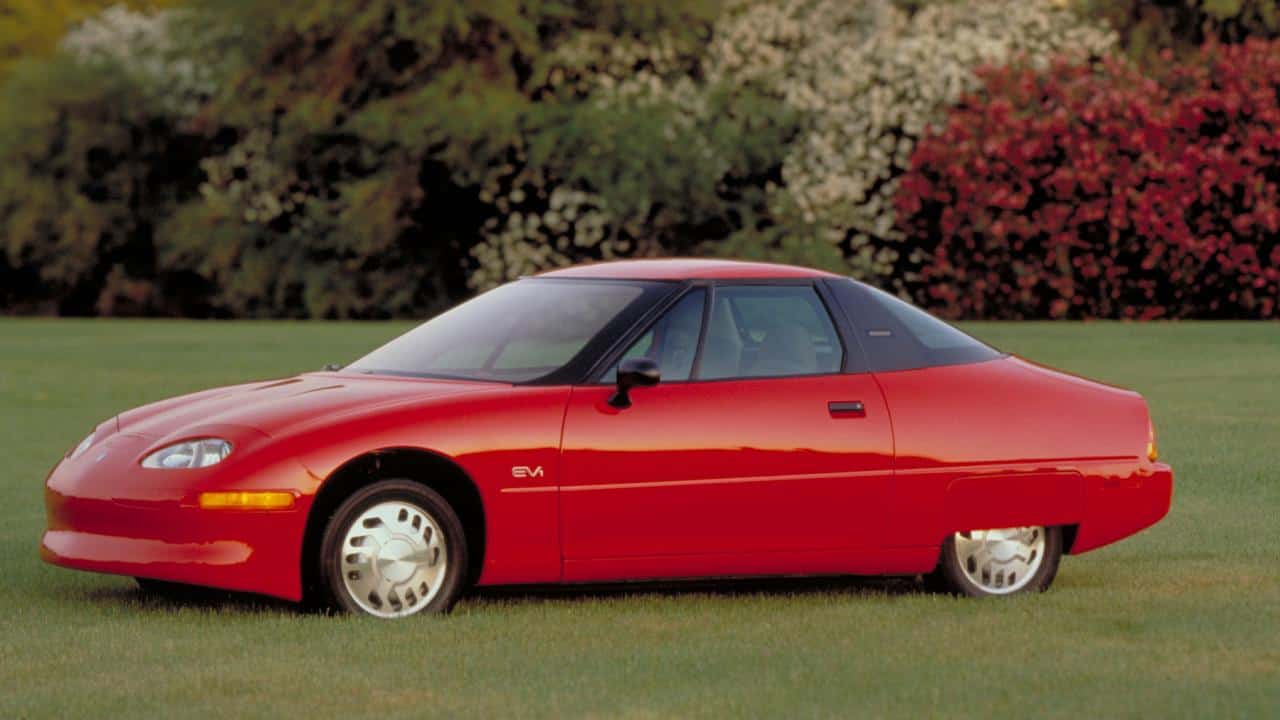
The modern EV era culminated in the 1980s and early 1990s with the release of several practical vehicles by companies like GM with the EV1 and PSA with the 106 Electric. While these vehicles were a true achievement, especially when compared to early perceptions of EVs, battery technology consistently remained the most significant bottleneck, hindering the widespread market adoption of electric vehicles. Significant effort and investment were poured into battery research, aiming to improve performance to meet EV requirements. Unfortunately, progress was limited, with performance still far from ideal, particularly in energy storage capacity per unit of weight and volume.
7. The History of Hybrid Electric Vehicles
Surprisingly, the concept of a hybrid electric vehicle is nearly as old as the EV itself. However, the initial primary purpose wasn’t necessarily to reduce fuel consumption but rather to assist the ICE in providing a desired level of performance. Indeed, in the early days, ICE technology was less advanced than electric motor technology.
The first reported hybrid cars were exhibited at the Paris Salon in 1899. They were built by the Pieper establishment of Liège, Belgium, and by Vendovelli and Priestly Electric Carriage Company, France. The Pieper vehicle was a parallel hybrid with a small air-cooled gasoline engine supported by an electric motor and lead-acid batteries. The battery was reportedly charged by the engine when the vehicle was moving or stopped. When driving power requirements exceeded the engine’s rated output, the electric motor provided additional power. Beyond being one of the first hybrid vehicles, it was also the first parallel hybrid.
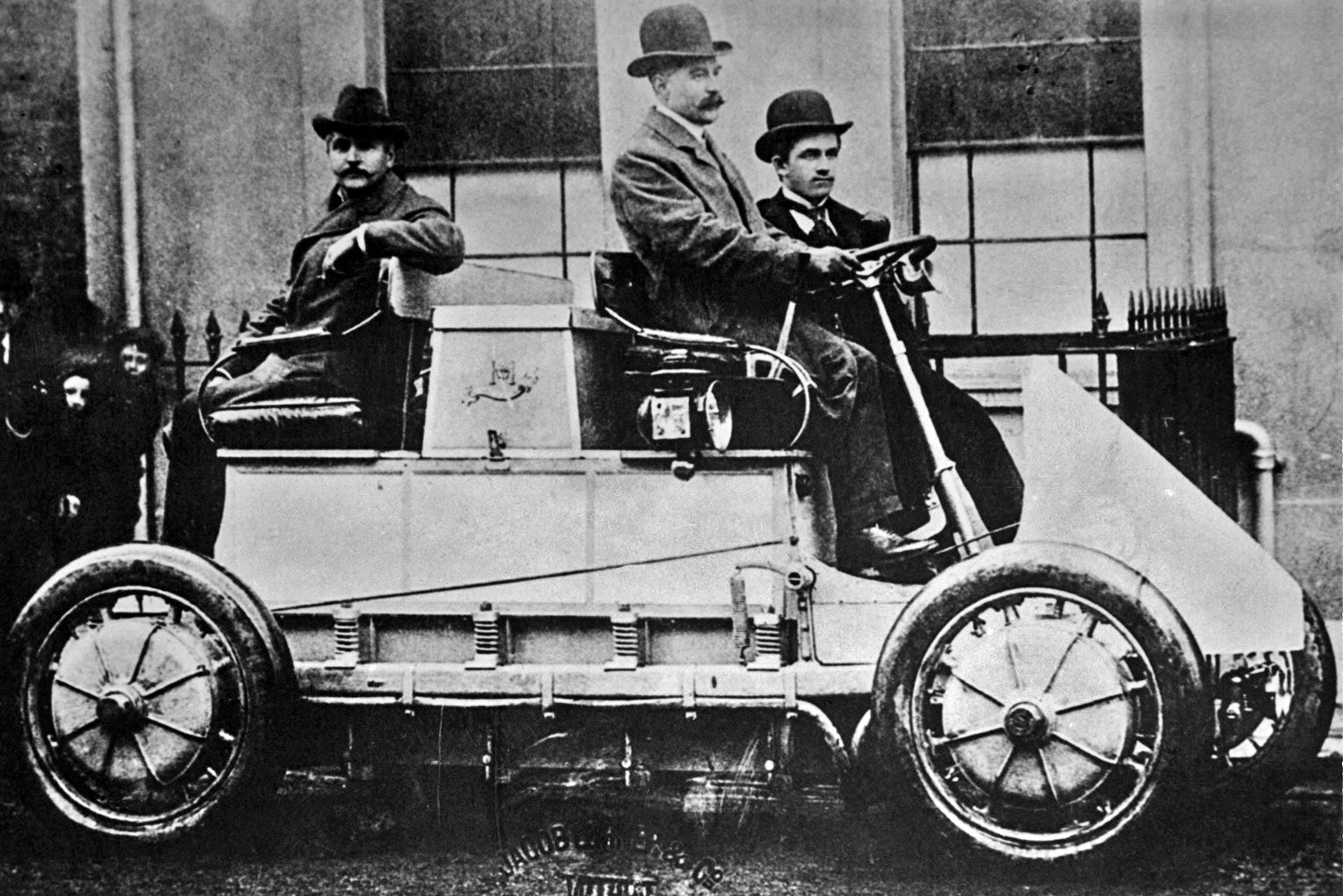
Pieper’s design also effectively served as the first electric starter. The other hybrid vehicle presented at the Paris Salon in 1899 was the first in a series of hybrid electric cars and was derived from a pure commercial electric car built by the French company Vendovelli and Priestly.
The Belgian Camille Jenatzy (builder of “La Jamais Contente”) introduced a parallel hybrid car at the Paris Salon in 1903. This vehicle combined a 6 horsepower gasoline engine with a 14 horsepower electric motor capable of charging the battery from the engine. Another Frenchman, H. Krieger, built the second reported hybrid in the series in 1902. His design used two independent DC motors driving the front wheels. They drew power from 44 lead-acid cells that were recharged by a 4.5 horsepower alcohol-ignited engine coupled to a DC generator.
After World War I, gasoline engines underwent immense improvements in terms of power density, becoming smaller and more efficient. There was no longer a compelling need to assist them with electric motors. The additional cost of using an electric motor and the risks associated with acid-filled batteries were key factors leading to the disappearance of hybrid vehicles from the market after World War I.
In 1975, along with his colleagues, Dr. Victor Wouk built a parallel hybrid version of a Buick Skylark. It combined a Mazda engine, supported by a 15HP heavily excited DC electric machine located in front of the transaxle. A top speed of 80 mph (129 km/h) was achieved with 0 to 60 mph acceleration in 16 seconds.

Other hybrid car prototypes were built by Electric Auto Corporation in 1982 and by Briggs & Stratton Corporation in 1980. Both were parallel hybrids. Despite the two oil crises of 1973 and 1977, and despite growing environmental awareness, no hybrid electric vehicles were brought to market. Researchers’ focus was drawn to battery electric vehicles, many types of which were built in the 1980s. The lack of interest in hybrid electric vehicles during this period can be attributed to the practical limitations of available electronics, modern electric motors, and battery technology. Modern electric, hybrid, and fuel cell vehicles are highly energy efficient.
The most significant efforts in developing and commercializing hybrid electric vehicles were made by Japanese manufacturers. In 1997, Toyota released the Prius sedan in Japan. Honda also released the Insight and Civic Hybrid. These vehicles are now available worldwide and achieve excellent fuel consumption figures. The Toyota Prius and Honda Insight hold historical significance as they were the first hybrid cars to be commercialized in the modern era to address the issue of vehicle fuel consumption.
8. The History of Fuel Cell Electric Vehicles
As early as 1839, Sir William Grove (often referred to as the “Father of the Fuel Cell”) discovered that electricity could be generated by reversing the electrolysis of water. It wasn’t until 1889 that researchers Charles Langer and Ludwig Mond coined the term “fuel cell” while attempting to create the first practical fuel cell using air, coal, and coal gas. While subsequent attempts were made in the early 1900s to develop fuel cells that could convert coal or carbon into electricity, the advent of the ICE temporarily extinguished any hope for further development of the technology.

Francis Bacon developed what was arguably the first successful fuel cell device in 1932, with a hydrogen-oxygen cell using an alkaline electrolyte and nickel electrodes – a cheaper alternative to the catalysts used by Mond and Langer. Due to several significant technical hurdles, it wasn’t until 1959 that Bacon and his company first demonstrated a practical 5 kW fuel cell.
NASA also began building compact power generators for use in space missions in the late 1950s. NASA soon funded hundreds of studies related to fuel cell technology. Fuel cells have since proven their role in space programs, providing power for several space missions.
In recent decades, several manufacturers – including automakers – and various federal agencies have supported research and development of fuel cell technology for use in transportation and other applications. Indeed, fuel cell vehicles still have a long way to go before they can be widely introduced into the market.
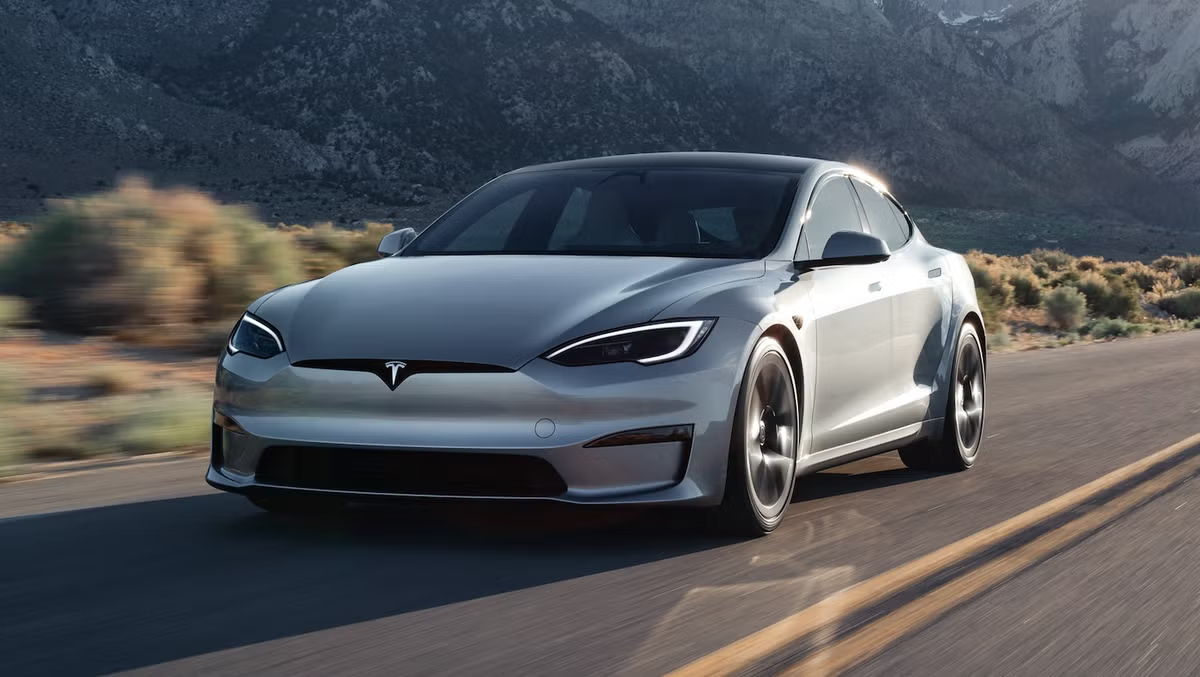
Today, with breakthroughs in battery manufacturing technology, electric vehicles are gradually gaining market dominance, with the most notable impact coming from the renowned automotive company, Tesla. The future holds the promise that electric vehicles will dominate the market and progressively overcome all current environmental issues.
The Evolution of Electric Vehicles and the Environmental Impact of Modern Transportation
The internal combustion engine (ICE) and its application in automobiles represent one of the most [...]
An Honest Assessment: The All-New Lexus RX 350
Hello everyone! Today, we’re going to dive into a comprehensive review of the latest Lexus [...]
TOP Car Floor Mats Worth Purchasing
The Importance of Car Floor Mats Car floor mats are more than just simple accessories—they [...]
Prestigious Awards Received by ZINGMOVE Car Floor Mats
What Are Car Floor Mats? Car floor mats are essential accessories for every vehicle. They [...]